Tuberculosis (TB) Management – Stork Hospital, Hyderabad
Comprehensive Care for Complete Recovery
Specialized infectious disease protocols focused on early molecular diagnosis, targeted therapy, and strict adherence monitoring to ensure a 100% cure rate and prevent relapse.
Tuberculosis (TB) is a serious infectious disease that primarily affects the lungs but can also involve other parts of the body. With timely diagnosis and proper treatment, TB is completely curable. At Stork Multispecialty Hospital, Hyderabad, we provide end-to-end TB management, focusing on early detection, effective treatment, and prevention of recurrence. Our approach combines clinical expertise, advanced diagnostics, and strict treatment monitoring to ensure the best outcomes for every patient.
Why Stork Hospital is a Trusted Center for TB Treatment
Stork Hospital combines advanced molecular diagnostics with expert clinical monitoring to manage both simple and drug-resistant TB cases:
TB Variants Managed at Stork
- Pulmonary TB (infection strictly localized to the lungs)
- Extrapulmonary TB (lymph nodes, bones, abdomen, or brain)
- Latent TB Infection (preventive management for asymptomatic carriers)
- Multi-Drug Resistant (MDR) and Extensively Drug-Resistant (XDR) TB
- Relapse cases or patients with a history of incomplete prior treatment
- Symptoms such as evening fever, night sweats, and persistent cough
Our Precision TB Care Pathway
Molecular Diagnosis
Utilization of CBNAAT and sputum cultures for rapid confirmation of TB and identification of drug sensitivity patterns.
ATT Initiation
Commencement of the WHO-recommended standard drug regimen (typically 6 months) with personalized dose adjustments.
Resistance Screening
Advanced screening for drug-resistant patterns to ensure the medication protocol is effective from the first week of therapy.
Adherence Monitoring
Continuous supervision and regular lab reviews to ensure strict medication compliance and manage systemic side effects.
Systemic Rehabilitation
Integration of high-protein nutritional support and immunity counseling to ensure full physical recovery during treatment.
Benefits of Specialized TB Management
The Road to Complete Recovery
Frequently Asked Questions – TB Management
Q.Is TB completely curable?
Yes. Tuberculosis is fully curable with a proper and complete course of specialized medication, even in cases that have previously relapsed.
Q.How long does TB treatment take?
A standard treatment course usually takes 6 months, while complex or drug-resistant (MDR) cases may require 18–24 months of specialized therapy.
Q.Is TB contagious?
Untreated pulmonary TB can spread through the air. However, starting effective treatment significantly reduces transmission risk within just a few days.
Q.Can TB come back?
Yes, if the treatment is interrupted early or if the body's immunity is very low. Completing the full prescribed course is the best prevention against recurrence.
Contents
Featured Videos

Welcome to Stork Hospital
Related Articles

Contraception Explained: Types, Benefits & How to Choose the Right Method
Learn everything about contraception, including types, effectiveness, benefits, and how to choose the best birth control method for safe and confident family planning.

Lactation Problems: Causes, Symptoms & Effective Solutions for New Moms
Struggling with breastfeeding? Discover common lactation problems, their causes, symptoms, and simple solutions to help new moms and families navigate breastfeeding with confidence.
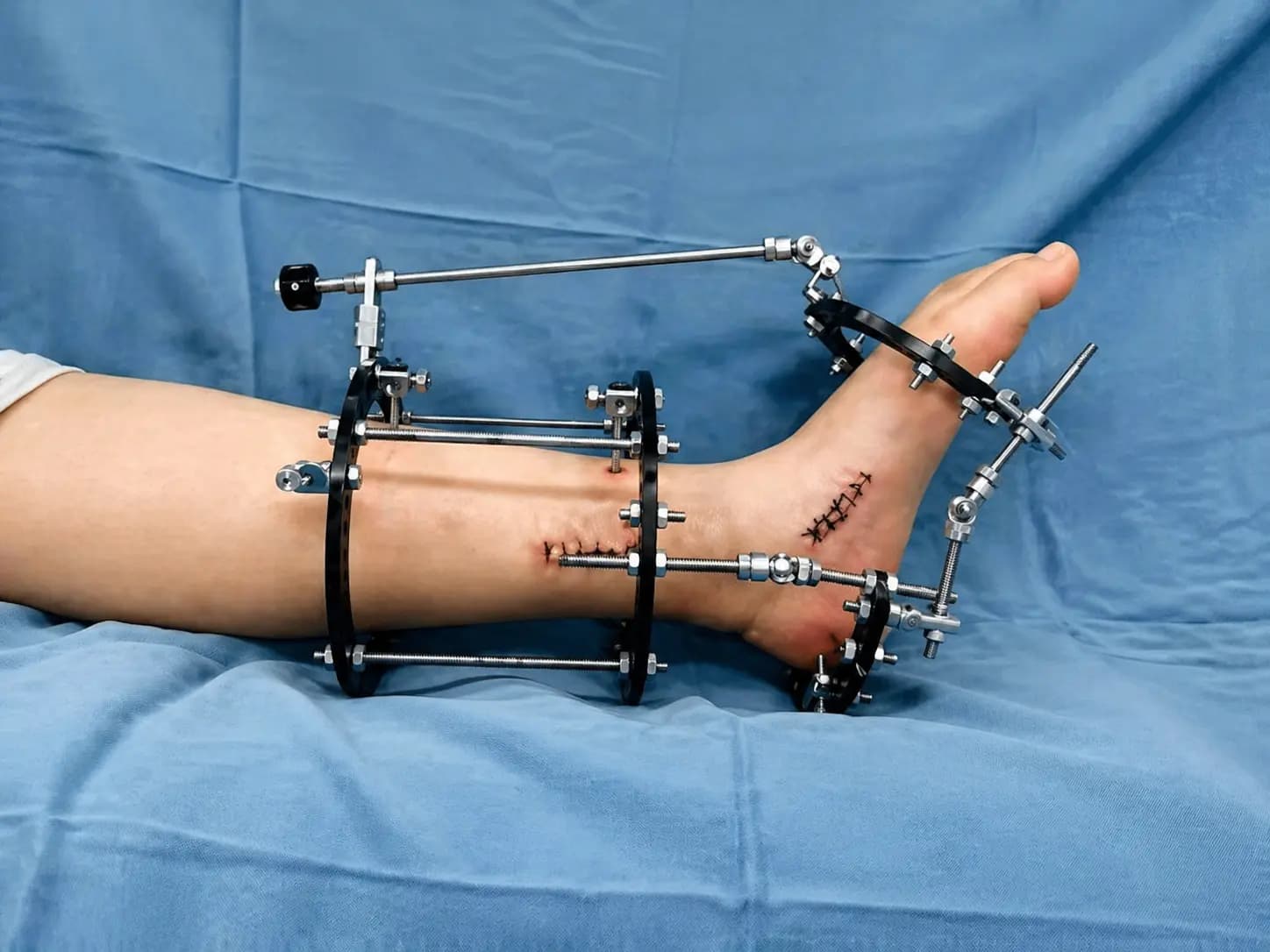
Breaking Down the Ilizarov Frame: How It Works and Why It’s Effective
Discover how the Ilizarov frame works, why it’s highly effective for bone healing and limb lengthening, and what patients can expect during recovery.
Start Treatment Early – Stop TB Completely
Ignoring TB symptoms can lead to serious respiratory complications and community spread. Book your appointment at Stork Hospital for expert TB evaluation and a personalized recovery plan.
No-Wait Booking Confirmed Instantly