
Endoscopic Interlaminar Discectomy (EID) – Stork Hospital, Hyderabad
Targeted Spine Relief with Advanced Endoscopic Precision
Minimally invasive removal of herniated disc fragments via the interlaminar space to relieve sciatica and back pain.
Severe lower back pain and sciatica caused by a slipped disc can disrupt even the simplest daily activities. When medications and physiotherapy fail to provide relief, Endoscopic Interlaminar Discectomy (EID) offers a highly effective, minimally invasive solution to remove disc pressure on nerves—without the trauma of open surgery. At Stork Hospital, Hyderabad, we provide state-of-the-art endoscopic spine procedures designed for maximum precision, minimal pain, and rapid recovery.
What is Endoscopic Interlaminar Discectomy?
EID is a modern minimally invasive spine procedure performed through the interlaminar space (natural gap between the vertebrae at the back of the spine). It is highly effective for:
Conditions Treated with EID
- Herniated or slipped lumbar discs
- Sciatica (radiating pain down the leg)
- Nerve compression causing numbness or weakness
- Persistent lower back pain from disc prolapse
- Refractory symptoms not responding to conservative care
Advanced Precision Spine Care
Clinical Evaluation
Detailed evaluation with high-resolution MRI and clinical examination to map the exact neural compression site.
Targeted Discectomy
A small incision is made in the lower back, providing direct access to the disc for precise fragment removal under HD camera guidance.
Neural Relief
Continuous real-time visualization ensures the nerve is safely decompressed, guided by advanced C-arm imaging systems.
Key Benefits of EID
Recovery & Outcomes
Common Questions Answered
Q.How is EID different from TELD?
EID approaches the disc from the back (interlaminar route), while TELD uses a side approach. EID is often preferred for lower lumbar levels like L5-S1.
Q.Is the procedure safe?
Yes. It is a well-established, minimally invasive technique with a high success rate and extremely low complication profile.
Q.Will I need bed rest after surgery?
No prolonged bed rest is required. In fact, early movement is highly encouraged to aid recovery and prevent stiffness.
Q.Who is the right candidate?
Patients with confirmed disc herniation causing nerve compression and persistent symptoms despite conservative care like medications or physiotherapy.
Contents
Featured Videos

Welcome to Stork Hospital
Related Articles

Contraception Explained: Types, Benefits & How to Choose the Right Method
Learn everything about contraception, including types, effectiveness, benefits, and how to choose the best birth control method for safe and confident family planning.

Lactation Problems: Causes, Symptoms & Effective Solutions for New Moms
Struggling with breastfeeding? Discover common lactation problems, their causes, symptoms, and simple solutions to help new moms and families navigate breastfeeding with confidence.
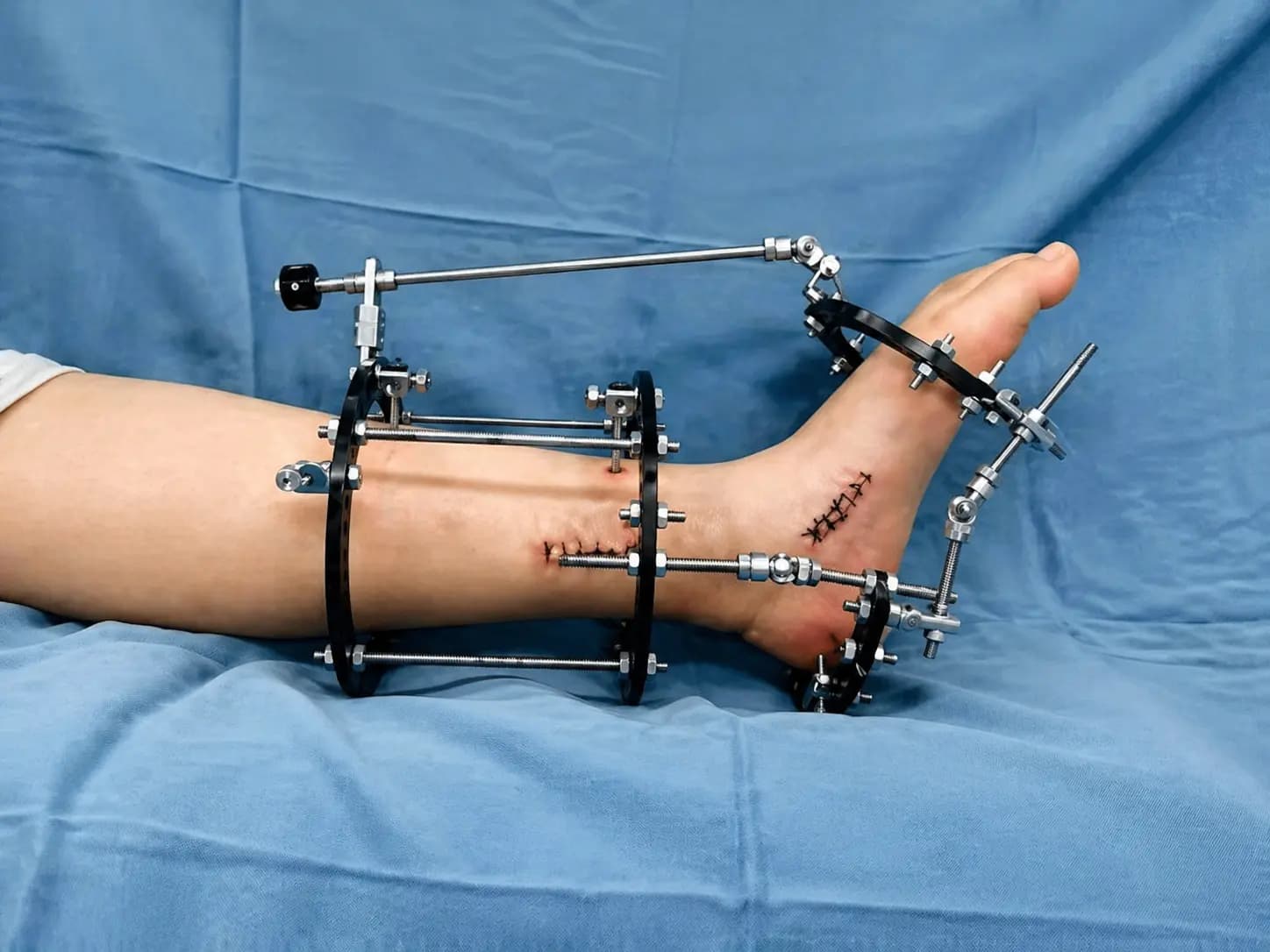
Breaking Down the Ilizarov Frame: How It Works and Why It’s Effective
Discover how the Ilizarov frame works, why it’s highly effective for bone healing and limb lengthening, and what patients can expect during recovery.
Get Back to Pain-Free Living
Choose Stork Hospital, Hyderabad for precision-driven spine treatments and faster recovery. Book your consultation today and move toward a healthier, pain-free spine.
No-Wait Booking Confirmed Instantly