
Deep Vein Thrombosis (DVT) – Stork Hospital, Hyderabad
Immediate, Expert Attention for Blood Clots in the Deep Veins
Rapid diagnostics and advanced vascular solutions to manage blood clots and prevent life-threatening complications.
Deep Vein Thrombosis is a condition where a blood clot forms in a deep vein, most often in the legs. This blockage can disrupt circulation and cause swelling, discomfort, and skin color changes. The greatest danger occurs if a part of the clot travels to the lungs, creating a pulmonary embolism, which is a medical emergency. Quick action and proper treatment are essential to prevent life-threatening complications. At Stork Multispecialty Hospital, Hyderabad, our vascular care team combines rapid diagnostics, advanced treatment options, and preventive strategies to manage DVT effectively. Whether it’s an emergency case or a high-risk patient seeking prevention, our approach ensures timely, comprehensive care.
Why Patients Rely on Stork Hospital for DVT Management
Quick action is vital. Trust Stork Hospital for safe, expert Deep Vein Thrombosis care in Hyderabad:
Common Signs That May Indicate DVT
- Unexplained swelling in one leg, especially the calf
- Persistent leg pain or tenderness when walking or standing
- Warmth or reddish-blue discoloration over the affected area
- A heavy, dragging sensation in the leg
- Confirmed high-risk factors like prolonged inactivity or vein injury
Our Step-by-Step Approach to Treating DVT
Accurate Diagnosis
Review of symptoms and medical history followed by Doppler ultrasound and D-dimer blood tests to pinpoint clot location and assess flow.
Medical Treatment
Blood thinners to stop clot growth and reduce the risk of secondary clots. Clot-busting medications are used for severe or high-risk cases.
Minimally Invasive & Surgical Options
Catheter-directed thrombolysis to break down clots directly at the site. Venous stenting may be used if narrowed veins contribute to clot formation.
Your DVT Care Journey at Stork Hospital
Recovery & Support Beyond the Procedure
FAQs – Deep Vein Thrombosis Treatment
Q.Is DVT dangerous if left untreated?
Yes. It can lead to serious complications like pulmonary embolism, which can be life-threatening if the clot travels to the lungs.
Q.What causes DVT?
Risk factors include prolonged inactivity, certain medical conditions, injury to a vein, or a genetic tendency to clot.
Q.How long will I need treatment?
Treatment duration varies, but many patients need blood thinners for 3–6 months or longer depending on their risk profile.
Q.Will insurance cover my treatment?
Yes. Stork Hospital accepts major insurance policies and provides full cost clarity in advance of any non-emergency intervention.
Contents
Featured Videos

Welcome to Stork Hospital
Related Articles

Contraception Explained: Types, Benefits & How to Choose the Right Method
Learn everything about contraception, including types, effectiveness, benefits, and how to choose the best birth control method for safe and confident family planning.

Lactation Problems: Causes, Symptoms & Effective Solutions for New Moms
Struggling with breastfeeding? Discover common lactation problems, their causes, symptoms, and simple solutions to help new moms and families navigate breastfeeding with confidence.
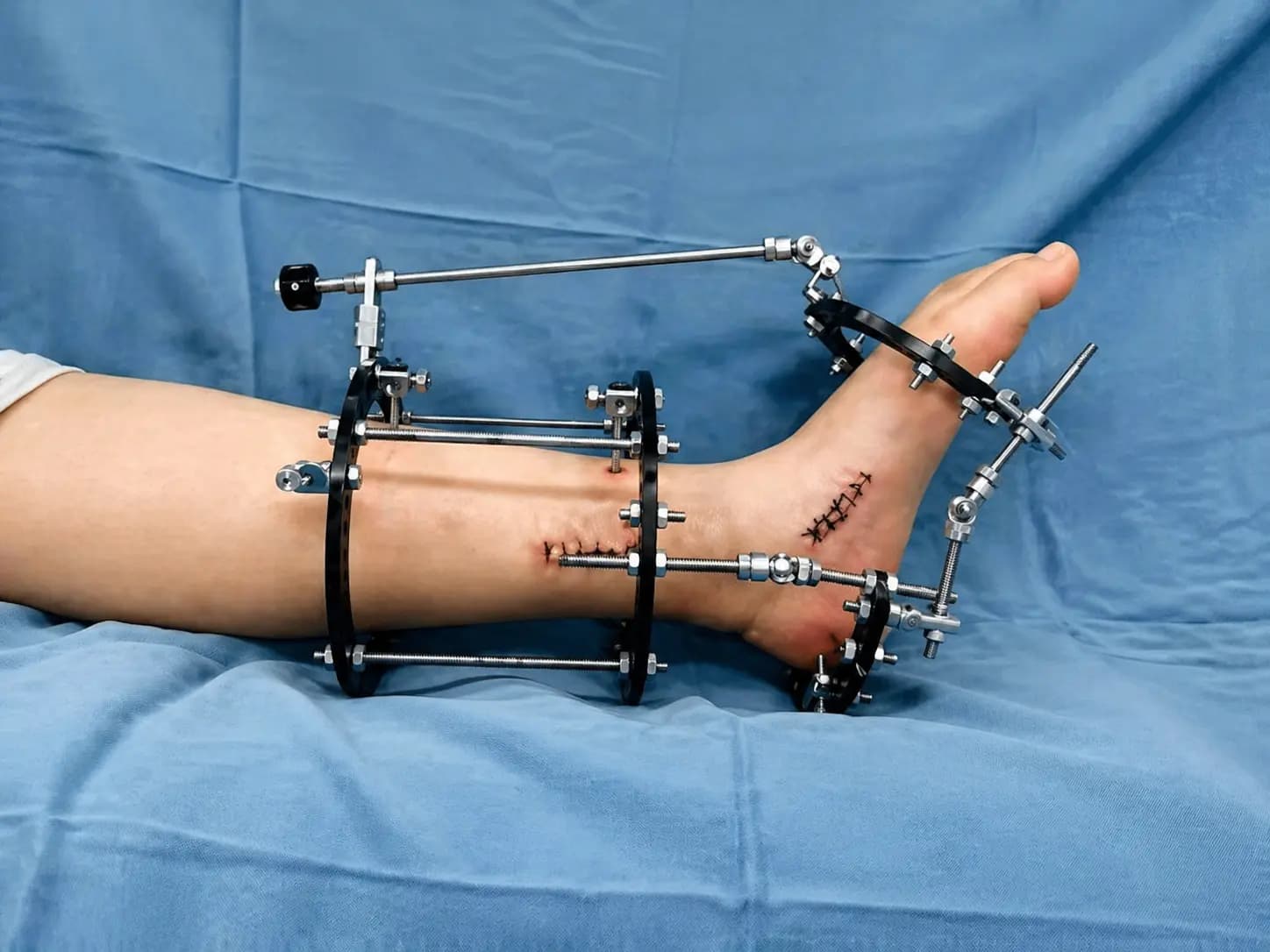
Breaking Down the Ilizarov Frame: How It Works and Why It’s Effective
Discover how the Ilizarov frame works, why it’s highly effective for bone healing and limb lengthening, and what patients can expect during recovery.
Book an Urgent DVT Assessment
If you notice swelling, pain, or warmth in one leg, don’t delay. Book an appointment at Stork Hospital to see a vascular specialist in Hyderabad and receive expert care.
No-Wait Booking Confirmed Instantly