
Diabetic Foot Ulcer – Stork Hospital, Hyderabad
Dedicated Foot Health for Diabetic Patients
Multidisciplinary wound healing and vascular expertise to protect mobility and prevent complications.
A diabetic foot ulcer is a wound that forms on the foot of someone living with diabetes, often due to a combination of nerve damage, poor circulation, and slow healing. Many patients don’t feel pain from these ulcers because of diabetic neuropathy, allowing the wound to worsen before it’s noticed. Without urgent and proper care, the infection risk is high, and in severe cases, amputation may become necessary. At Stork Multispecialty Hospital, Hyderabad, our diabetic foot care program brings together wound healing expertise, vascular assessment, and blood sugar management under one roof. Our mission is to close wounds faster, prevent complications, and protect patients’ long-term mobility and independence.
Why Patients Trust Stork Hospital for Diabetic Foot Ulcer Care
Our dedicated wound care unit utilizes advanced vascular mapping and reconstructive techniques to maximize salvage rates:
Recognizing the Warning Signs Early
- An open sore or ulcer that lingers or worsens
- Foot swelling, redness, or increased warmth
- Drainage, odor, or signs of infection
- Loss of sensation, tingling, or burning in the feet
- Skin tone changes or visible deformities in the foot shape
How We Manage Diabetic Foot Ulcers
Step 1 – Assessment
Comprehensive foot examination, blood glucose optimization, and vascular flow studies using Doppler or angiographic mapping.
Step 2 – Wound Treatment
Surgical debridement to remove non-viable tissue, moisture-balanced dressings, infection-targeted antibiotics, and orthopedic offloading.
Step 3 – Advanced Options
Utilization of skin grafts, local flap reconstruction, vascular revascularization, or hyperbaric oxygen therapy for high-risk wounds.
Healing & Limb Preservation Goals
Your Care Journey with Us
FAQs – Diabetic Foot Ulcer
Q.Why do these ulcers form in diabetics?
High blood sugar over time damages nerves and narrows blood vessels, reducing sensation and healing ability.
Q.Can they heal completely?
Yes, with prompt and consistent treatment, many ulcers heal fully, although prevention is always the best approach.
Q.How do I prevent them?
Daily self-inspection, good footwear, and stable blood sugar levels are key.
Q.Will my insurance cover the costs?
Yes. Stork Hospital accepts most major insurance providers and gives cost details before starting treatment.
Contents
Featured Videos

Welcome to Stork Hospital
Related Articles

Contraception Explained: Types, Benefits & How to Choose the Right Method
Learn everything about contraception, including types, effectiveness, benefits, and how to choose the best birth control method for safe and confident family planning.

Lactation Problems: Causes, Symptoms & Effective Solutions for New Moms
Struggling with breastfeeding? Discover common lactation problems, their causes, symptoms, and simple solutions to help new moms and families navigate breastfeeding with confidence.
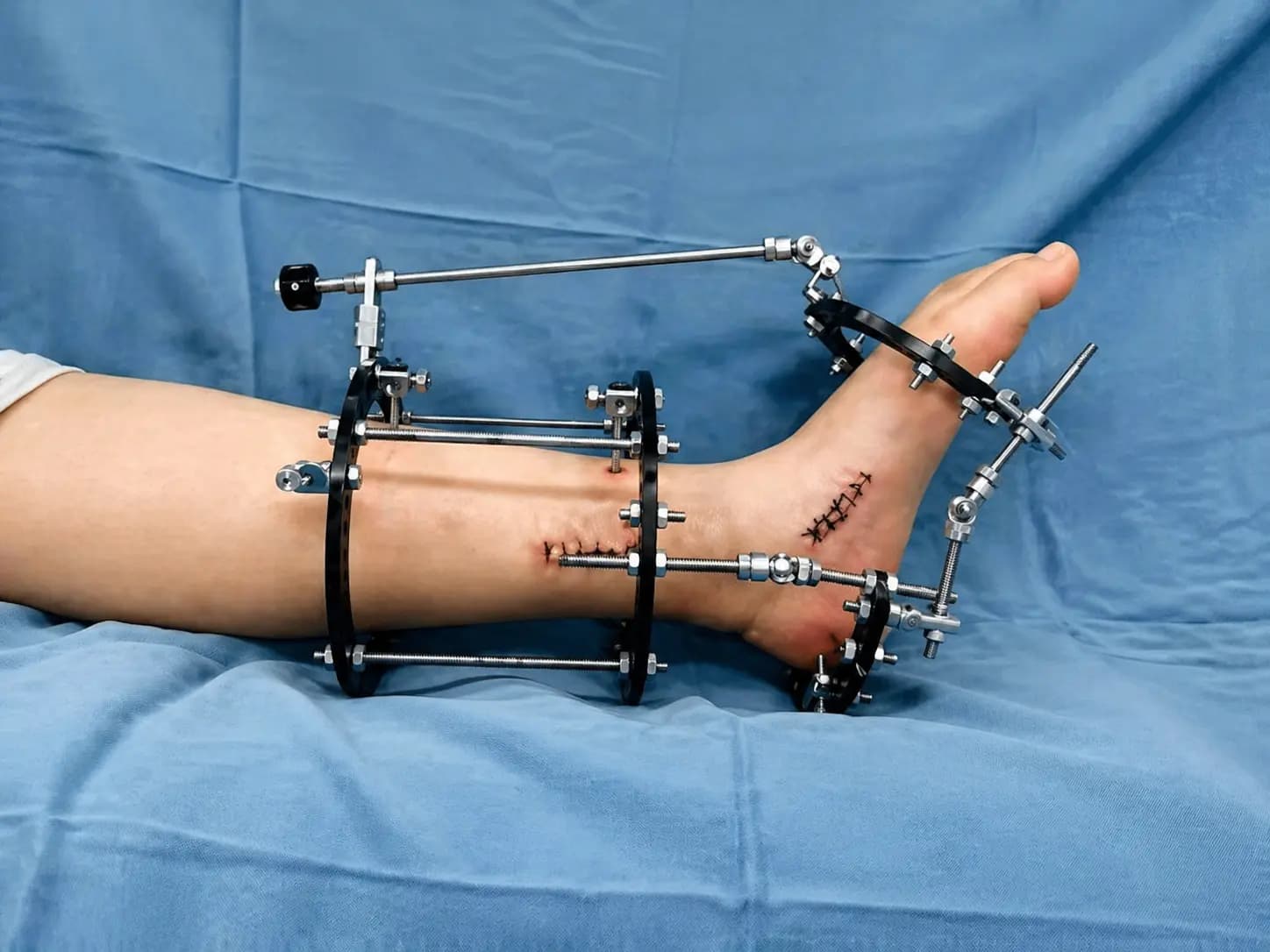
Breaking Down the Ilizarov Frame: How It Works and Why It’s Effective
Discover how the Ilizarov frame works, why it’s highly effective for bone healing and limb lengthening, and what patients can expect during recovery.
Safeguard Your Foot Health and Mobility
If you notice a foot wound or signs of infection, act quickly. Book an appointment at Stork Hospital to see a specialist and get advanced limb-saving care.
No-Wait Booking Confirmed Instantly